Twenty-one entries, three sections, one glossary. Each entry answers one question properly rather than
twenty questions badly: what a type name means, what the steel was, what happens to a blade left in a
damp cupboard.
The register is organised the way the subject actually divides. Typology
covers how swords are sorted into families and what those labels do and do not tell you.
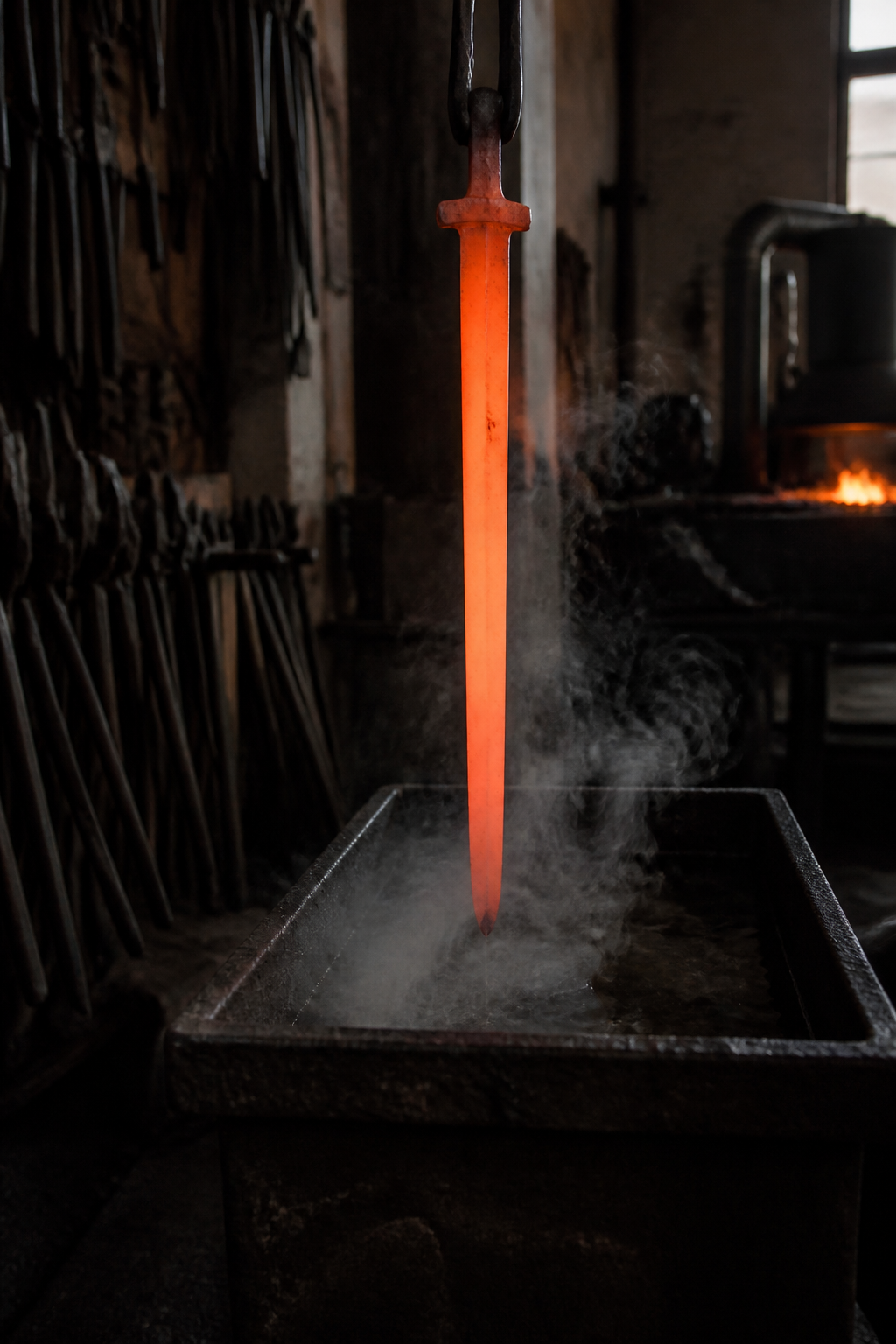
Steel and forging covers the material, from bloomery iron to modern spring steel,
and the heat treatment that decides whether a blade works. Care and collections
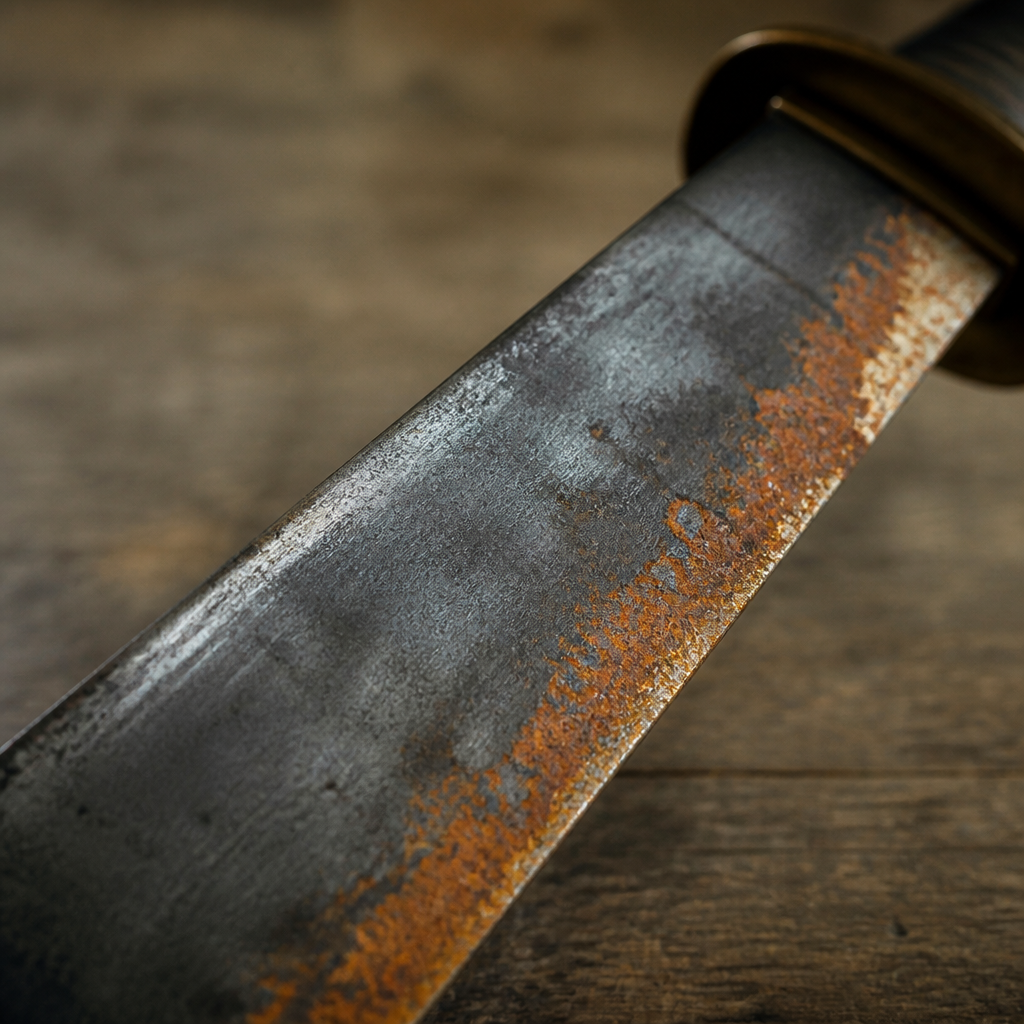
covers what happens after the sword stops being used: corrosion, storage and where the surviving pieces
are kept.
Figures are given as the published ranges for surviving examples, with the source named, because a
single confident number is usually a sign that somebody stopped checking.
21Entries
3Sections
46Glossary terms
20/08/2026Last reviewed
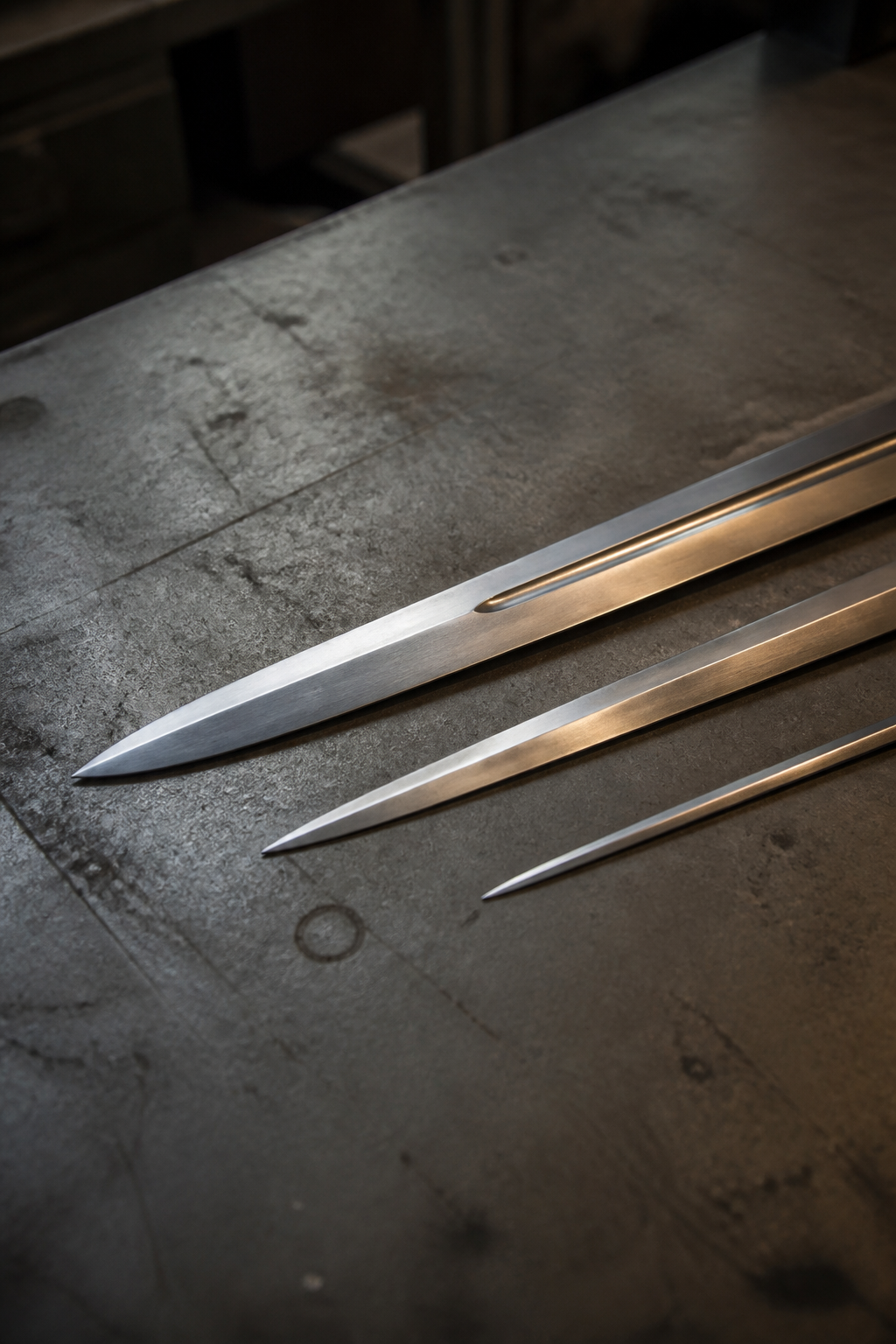
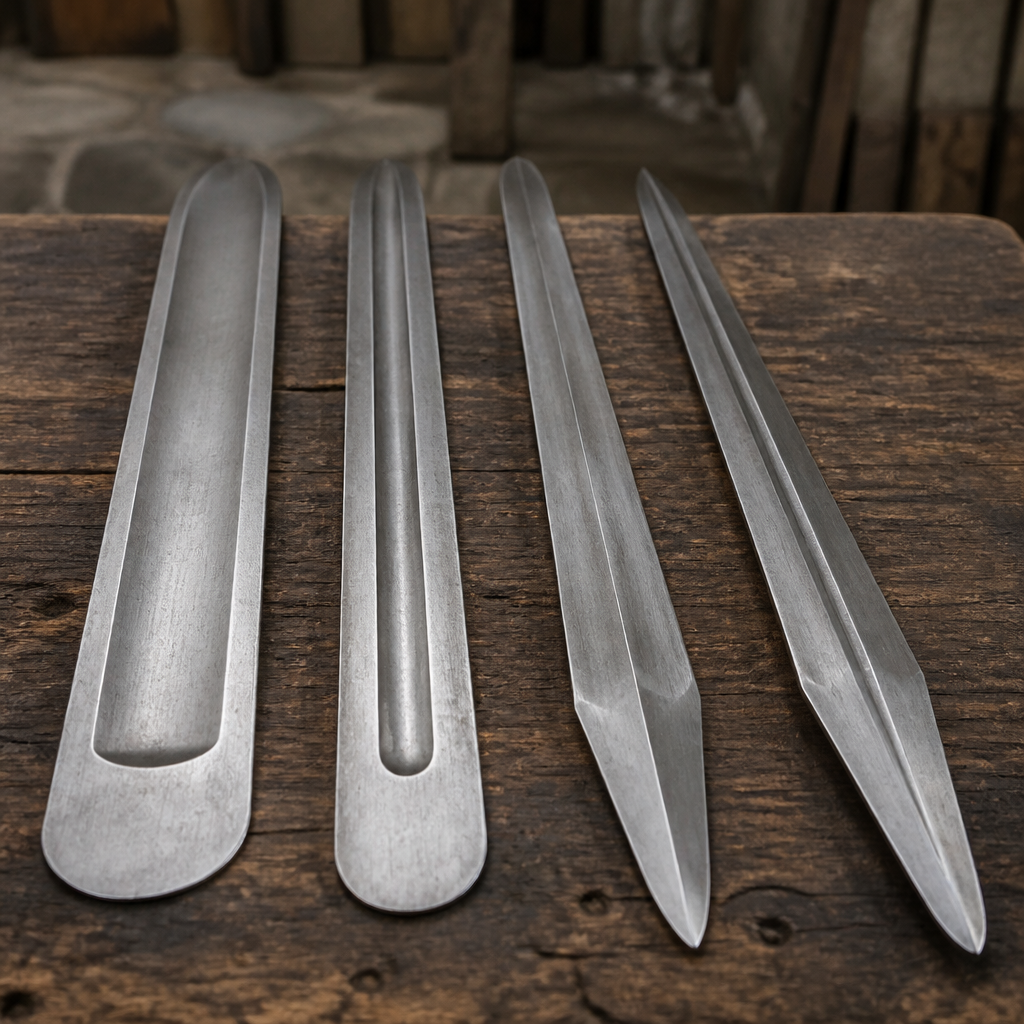
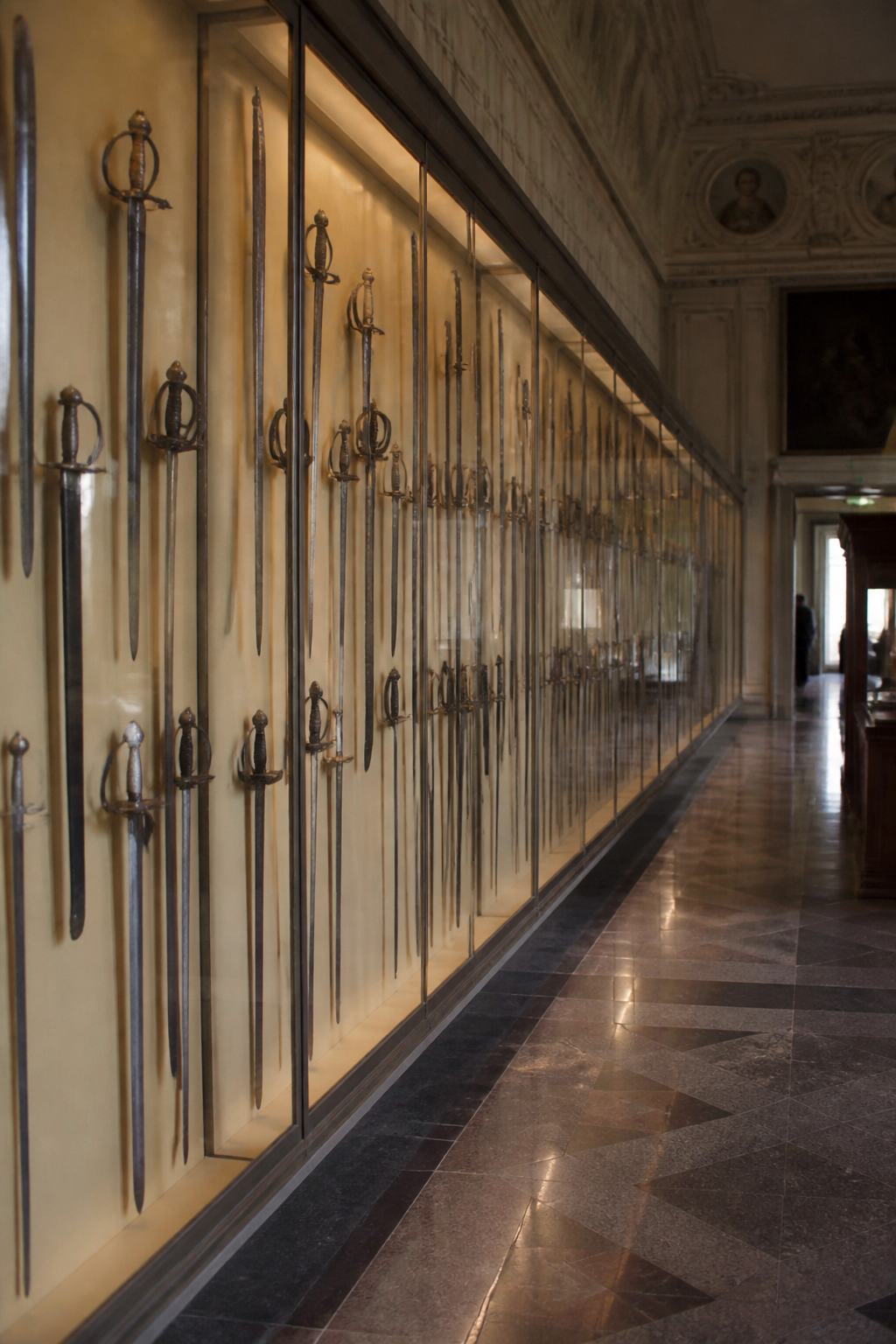
The same weapon, three centuries apart. Everything in the typology section is an attempt to
describe that change precisely enough to be useful.
Ewart Oakeshott sorted medieval European blades by geometry rather than by country or century. His types X to XXII are still the labels on museum cards and auction listings.
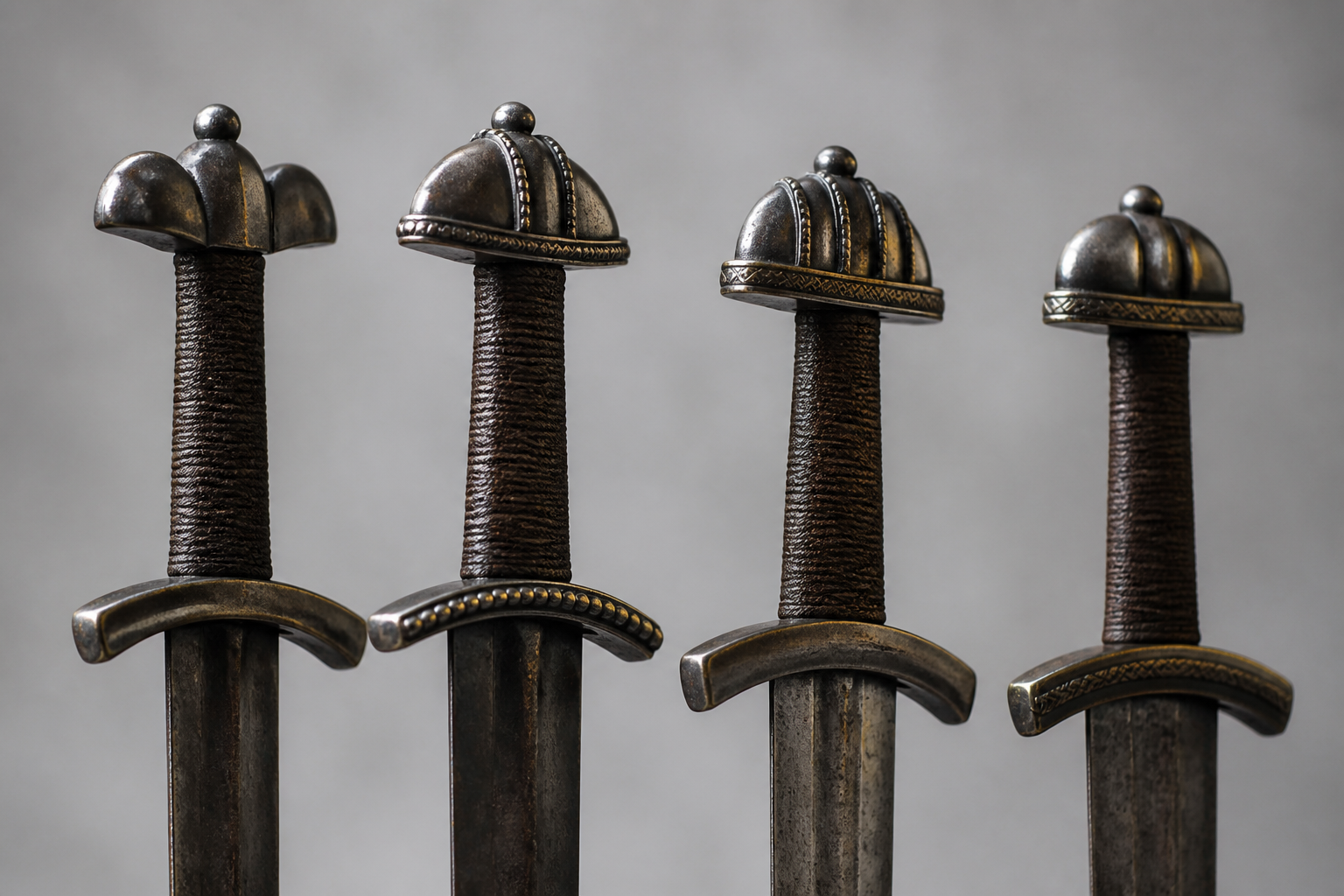
Blades of the eighth to eleventh century are broadly alike, so the classifications work on the hilt. Three competing systems are in circulation and museum labels mix them freely.
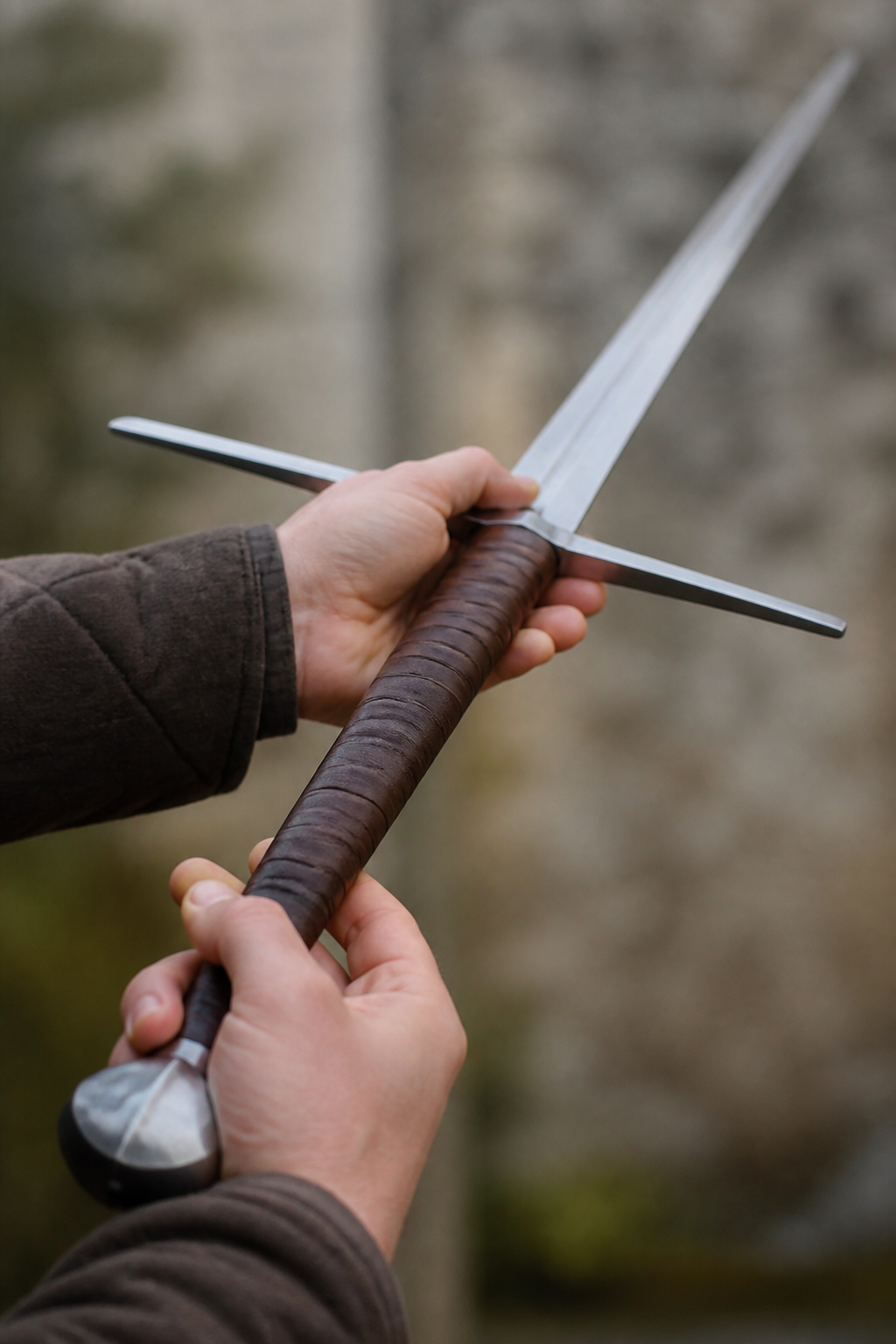
A longsword is defined by a grip long enough for two hands and a blade balanced for both. Surviving pieces weigh 1.2 to 1.8 kg, not the four kilos of popular imagination.
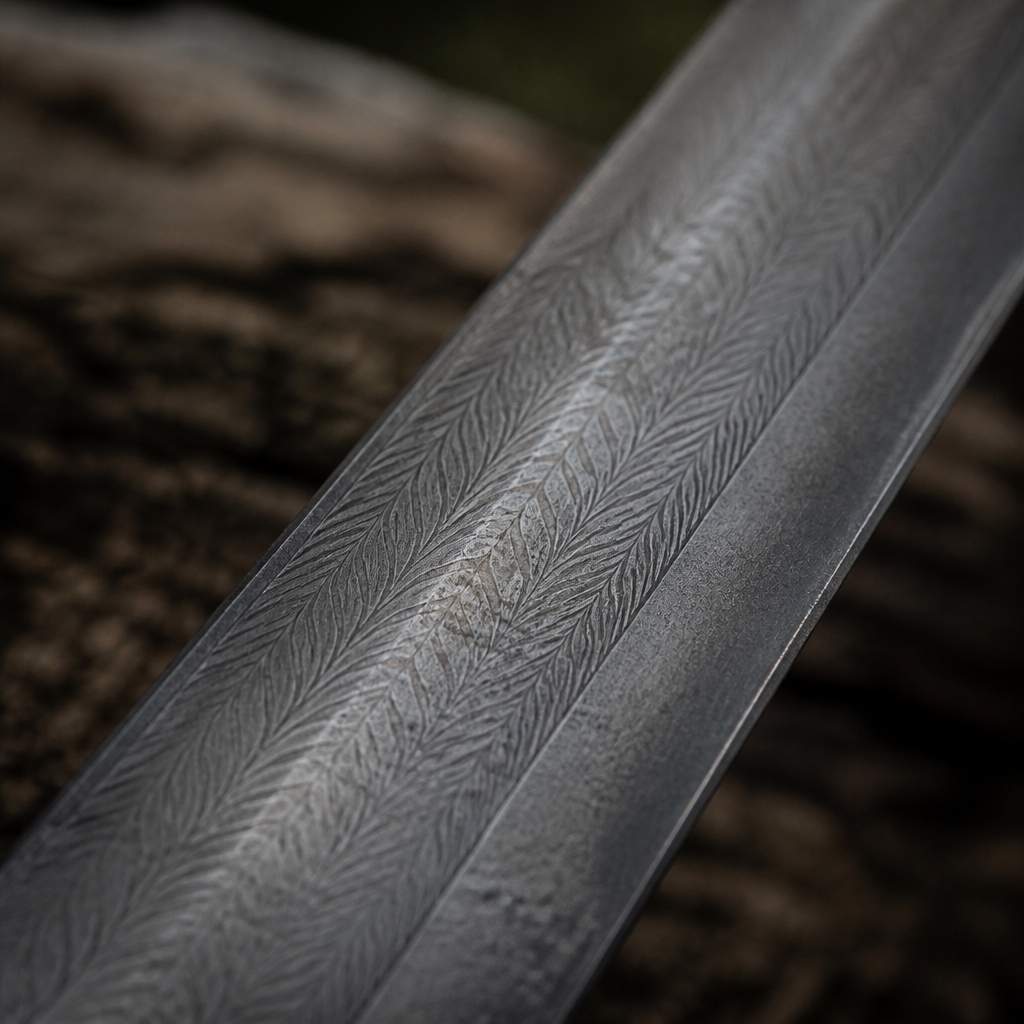
Rods of different iron and steel welded, twisted and drawn out, so the joins show as a pattern once the surface is etched. A construction method, not an alloy.
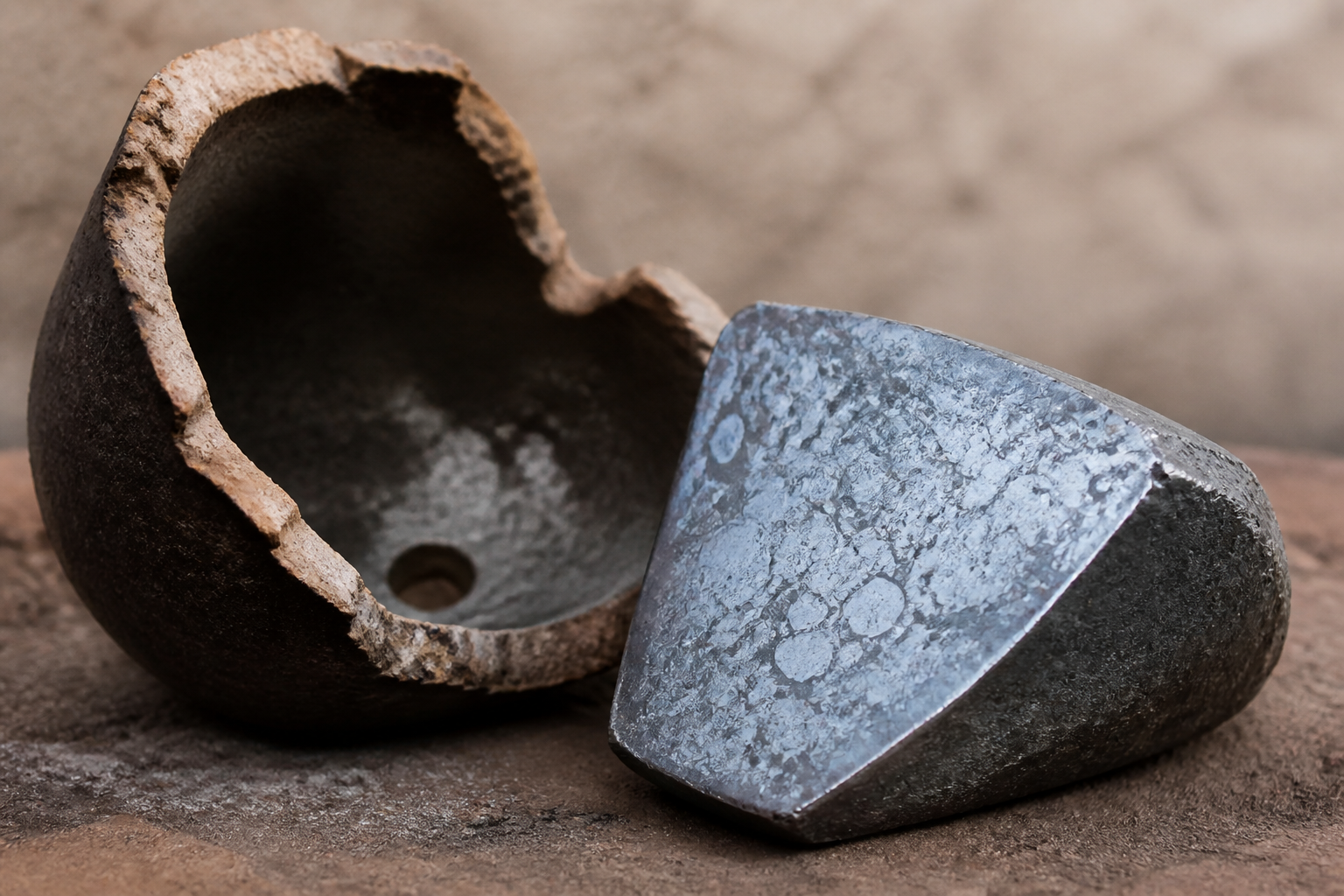
Iron melted in a sealed pot, cast as an ingot at 1.0 to 2.0 per cent carbon. The watered pattern comes from carbide bands inside the metal, not from welded layers.
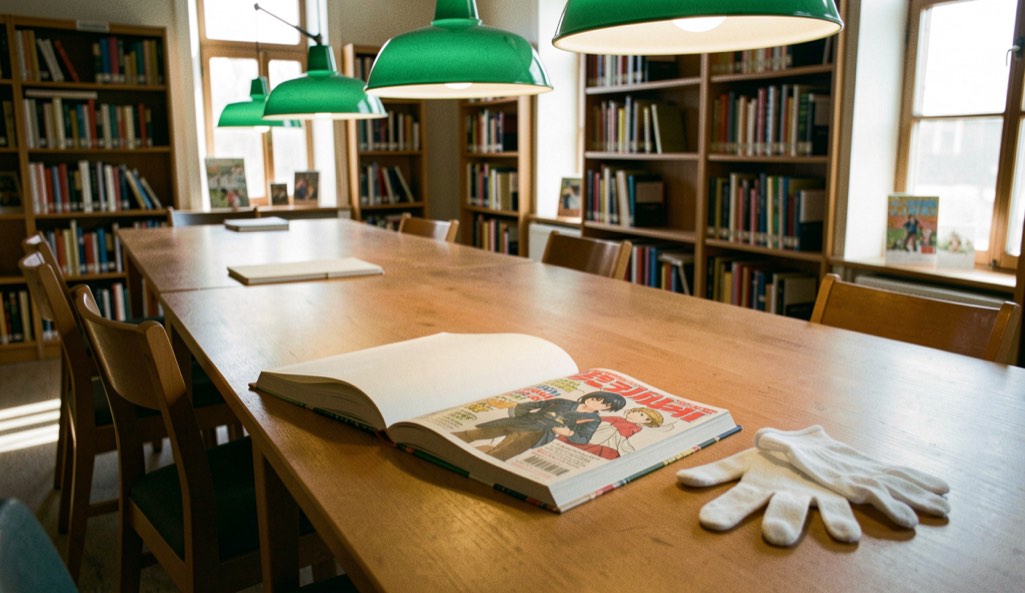
Eleven collections, three blade museums and five archaeological holdings, with what to look for in each and how to read what the label is actually telling you.
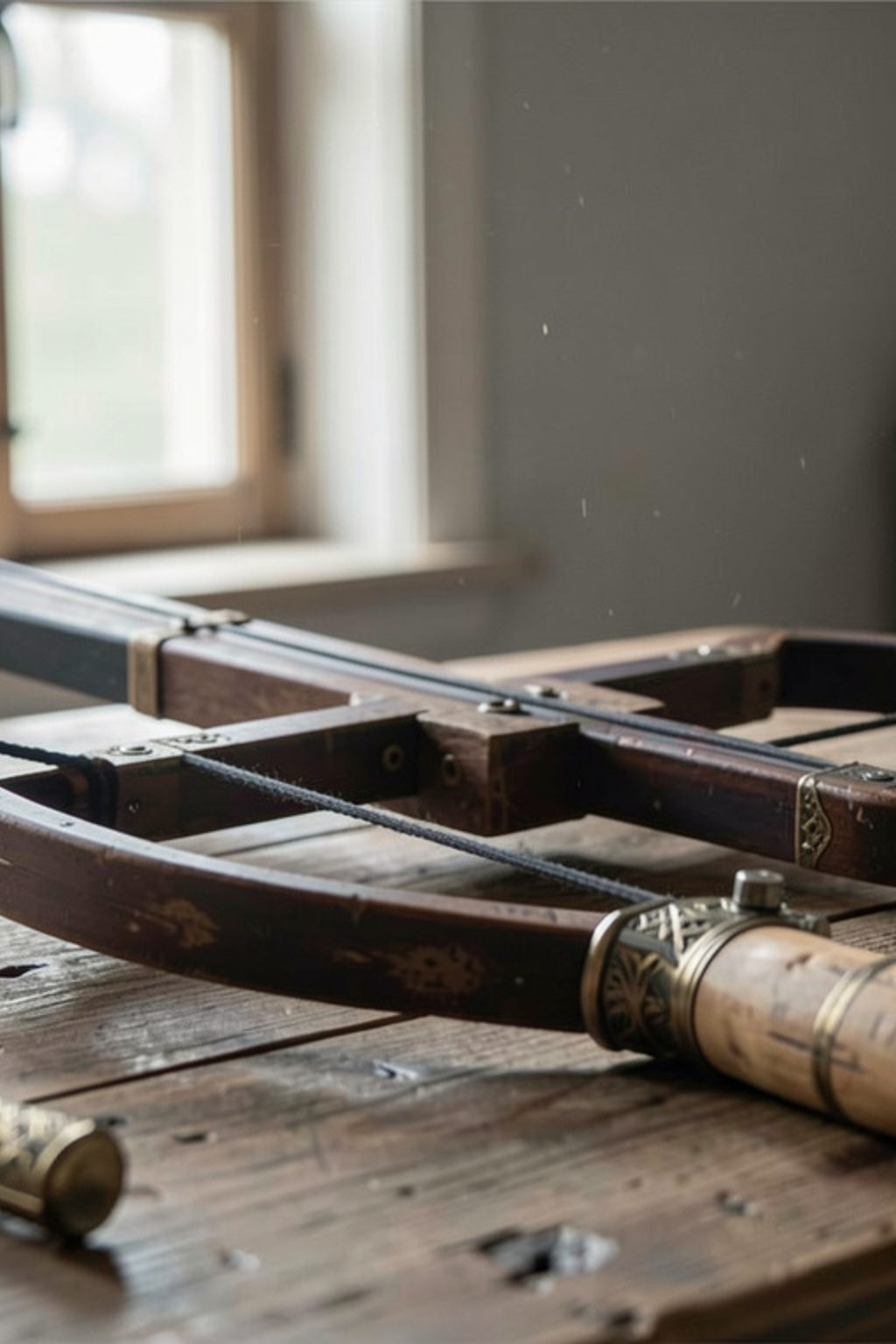
The other regulated weapon of the period, documented by guild rolls, town arsenals and surviving prods, and read the same way the register reads blades: object first, source second, interpretation last.
How Australian road projects move from business case to opening, why Melbourne removes level crossings, and what tunnels and desalination plants taught the
A look at how coastal workshops document their practice: plein air painting, local clay ceramics and bench work, as recorded along the Anne Arundel shore.
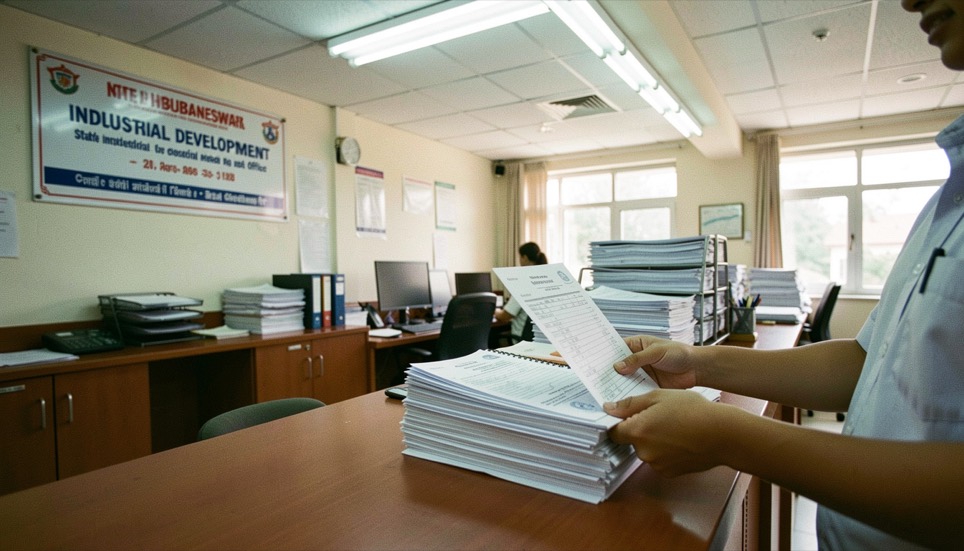
Odisha's Industrial Policy Resolution 2022, the GO SWIFT single-window portal, and the approval timelines and fees that apply to industrial projects in the
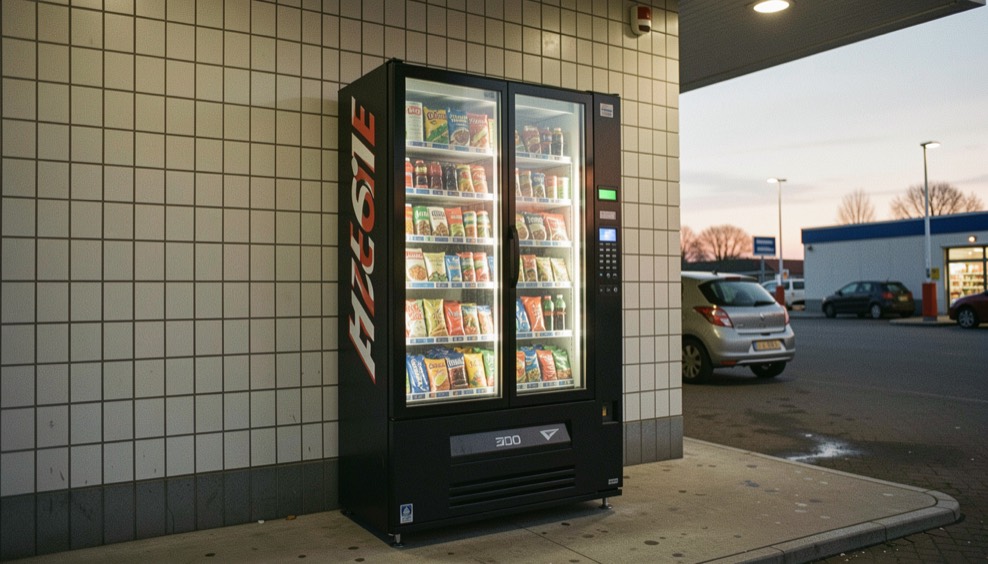
A register note on snack and drink vending as a trade: machine families, site selection, food safety, payments and maintenance, with Dutch practice as the
A plain reference note on industrial storage and handling: racking choices, forklift checks, pedestrian routes, barcode and RFID tracking, and automation.
Hydrogen energy from electrolyser efficiency to pipeline blending: a plain register of figures, safety practice and offtake structures for project holders.
Every entry follows the same order, which is what makes two of them comparable without reading both
from end to end.
A reference such as TYP-01. It is fixed, and it does not change
when the title does.
Six numbered sections, listed in the margin, so a specific question can be answered without
reading the whole page.
The same seven rows in the characteristics table on every entry: reference, section, period, area,
entry type, related entries, and the date it was last checked.
Figures given as ranges, with the publication they come from named in the text.
Dates written day, month, year.
The other stone in the workshop
Edge care keeps running into geology. A Belgian coticule, an Arkansas
novaculite and a Turkish oilstone are not brand names, they are quarried rock, and what they do to an
edge follows from the grain size, the binder and the hardness of the bed they were cut from. Those are
the same properties a mason reads before choosing a slab, which is why the vocabulary overlaps almost
word for word: grain, bedding, hardness, porosity. A reader who wants the mineral side written out
plainly can start with how
quarried stone is sorted by hardness, grain and porosity, then come back to the honing entries with
a clearer idea of why two stones of the same claimed grit do not behave the same way.
The Repertory Notebook
Away from the blade, the register notes a reference notebook on American repertory cinema and volunteer film society work, with entries on Double Indemnity, American film noir, cornerstone, on world cinema in revival, and on public screening rights, print and DCP sourcing, and the running of a season.
Sacred Object Journal
Where the register turns from steel to the devotional object, the Sacred Object Journal documents missals, rosaries, medals and scapulars, with notes on materials, blessing and the stable storage of inherited pieces.
Ochre Gallery
For a parallel discipline of looking, where material, placement and price are read as evidence rather than verdict, the register points to Ochre Gallery's reading method, an editorial guide to contemporary art between studio, exhibition and market.
PipeMag
For readers who follow how technical records are kept, the pipeline incident data register sets out gas transmission and distribution figures, hazardous liquids, declared causes, integrity management and the 49 CFR parts 190 to 199 framework.
Spelkompas
Readers who also follow regulated play will find at Dutch online casino rules a comparative guide to Ksa licensing, Cruks registration, game sheets and withdrawal terms, checked against named operators with source and date.
abetterbead.com
For the beadwork side of a collection, from seed bead sizing and Swarovski or Miyuki comparisons to thread tests and finish durability, a guide to beadwork and jewellery sets out material sheets and project method in plain terms.
The House Pour
For the host who keeps a table rather than a collection, a separate register covers beer party games and glassware, from Kings Cup rules and glass shapes to counter setup, ice, lighting and seating twelve around one small table.
What this register leaves out
It does not value objects and it does not authenticate them: both need the
piece in the hand and a specialist who carries the liability. It does not cover firearms, and it covers
armour only where armour explains a change in blade design, which it does more than once. It stops at
about 1800, when the sword becomes a uniform accessory. And it is a reading resource, not a shop.
If you find an error, the correction is welcome at
contact@darkswords.eu. Sources are named in the entries precisely so that they can be checked.